
Call us now :08071630254
 Send Inquiry
 Send Inquiry
Aqualon Sodium Carboxymethylcellulose Chemistry: Cellulosics
Aqualon Sodium Carboxymethylcellulose Chemistry: Cellulosics Specification
- CAS No
- 9004-32-4
- Usage
- Thickening agent, stabilizer, binder, rheology modifier
- Physical State
- Powder
- Boiling point
- Not applicable (decomposes)
- Density
- 1.2 Gram per cubic centimeter(g/cm3)
- Molecular Weight
- Varies by grade, typically 90,000 700,000 g/mol
- Size
- Customizable as per requirement
- Purity
- 99%
- Flash Point
- Not applicable (non-flammable)
- Melting Point
- Decomposes above 200C
- Packaging Type
- Bag, drum, or as required
- Ph Level
- 6.5 8.5 (1% solution)
- Molecular Formula
- C8H15NaO8
- Shelf Life
- 24 months
- Storage Instructions
- Store in tightly closed containers in a cool, dry place
- Grade
- Industrial Grade
- Type
- Sodium Carboxymethylcellulose
- Application
- Used in food, pharmaceutical, textile, paper, and detergent industries
- Appearance
- White to cream colored powder
- Purity(%)
- 99%
- Ash Content
- Max 12% (as Na2O)
- Solubility
- Easily soluble in water
- Degree of Substitution
- 0.6 1.2
- Storage Temperature
- Room temperature (15-30C)
- Color
- White to off-white
- Odor
- Odorless
- Heavy Metals
- < 20 ppm
- Viscosity Range
- Varies depending on grade (10 10,000 mPa.s)
- pH (1% solution)
- 6.5 - 8.5
- Loss on Drying
- Max 10%
- Ecological Information
- Biodegradable
- Sodium Content
- 6.5% 8.5%
Aqualon Sodium Carboxymethylcellulose Chemistry: Cellulosics Trade Information
- Payment Terms
- Telegraphic Transfer (T/T), Cash in Advance (CID), Cash Advance (CA)
- Main Export Market(s)
- Western Europe, Australia, North America, South America, Eastern Europe, Middle East, Central America, Asia, Africa
About Aqualon Sodium Carboxymethylcellulose Chemistry: Cellulosics
Aqualon Sodium Carboxymethylcellulose Chemistry: CellulosicsChemistry: Cellulosics
Aqualon CMC PH BET acts as a suspending agent, rheology modifier and stabilizer. It is particularly useful as a suspending agent in two-component delivery systems. These high purity grades of Aqualon sodium carboxymethylcellulose are produced and tested to meet low levels of bioburden and endotoxin. These grades are excellent suspending agents, easily dispersible in water, and compatible with most active ingredients.
Versatility in Industrial Applications
Aqualon Sodium Carboxymethylcellulose excels as a multifaceted additive commonly used as a thickener, binder, rheology modifier, and stabilizer. Its broad viscosity spectrum and adjustable concentration suit various processes in food, pharmaceutical, textile, and paper industries. Its high solubility and purity ensure dependable performance.
Quality, Safety, and Storage
With a purity of 99% and very low heavy metal content, Aqualon CMC is manufactured to rigorous industrial standards. It is non-flammable, odorless, and poses minimal environmental impact thanks to its biodegradable nature. Proper storage in tightly closed containers at room temperature (15-30C) preserves its quality over a two-year shelf life.
FAQ's of Aqualon Sodium Carboxymethylcellulose Chemistry: Cellulosics:
Q: How is Aqualon Sodium Carboxymethylcellulose typically used in industrial processes?
A: Aqualon Sodium Carboxymethylcellulose is commonly utilized as a thickening, stabilizing, or binding agent in food, pharmaceuticals, textiles, paper, and detergents. Its solubility in water and variable viscosity make it adaptable for controlling texture, moisture retention, and product consistency.Q: What are the benefits of using Aqualon CMC in formulations?
A: Using Aqualon CMC offers advantages like enhanced viscosity control, improved product stability, and uniform texture. It is also biodegradable and non-toxic, adding safety and environmental benefits to formulation processes.Q: When should Aqualon CMC be added during manufacturing?
A: Aqualon CMC should be dispersed in water at the initial mixing stage to ensure even hydration and dissolution. This allows its thickening or stabilizing effects to be uniformly distributed throughout the product.Q: Where is Aqualon Sodium Carboxymethylcellulose stored to maintain its quality?
A: It should be stored in tightly sealed containers in a cool, dry location, ideally between 15-30C, to prevent moisture absorption and maintain product integrity over its 24-month shelf life.Q: What is the solubility profile of Aqualon CMC?
A: Aqualon CMC is easily soluble in water, forming clear or slightly turbid solutions depending on grade. It is not soluble in most organic solvents, making it ideal for aqueous systems.Q: How is the quality and purity of Aqualon CMC ensured?
A: Aqualon CMC is manufactured under strict quality controls, with a maximum of 20 ppm heavy metals, 99% purity, low ash content, and meets specifications for loss on drying, pH, and sodium content.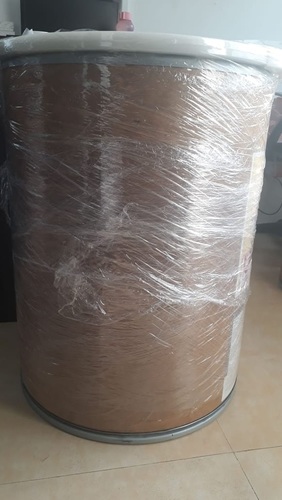
Tell us about your requirement

Price:
Quantity
Select Unit
- 50
- 100
- 200
- 250
- 500
- 1000+
Additional detail
Mobile number
Email

More Products in Parenteral Dosage Form Category
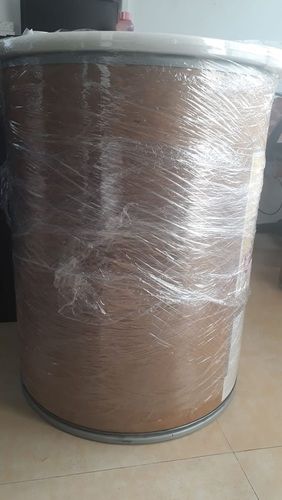
Pharmasolve N-methyl-2-pyrrolidone
Application : Used as solvent in pharmaceutical formulations
Appearance : Clear, colorless liquid
Size : Customizable packaging sizes available
Shelf Life : 36 months
Density : 1.03 Gram per cubic centimeter(g/cm3)
Molecular Weight : 99.13 g/mol
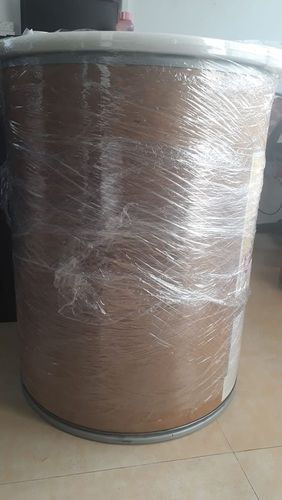
Plasdone povidone C grades
Application : Pharmaceutical, cosmetic, industrial uses
Appearance : White to offwhite powder
Size : Customized
Shelf Life : 5 years
Density : 1.20 Gram per cubic centimeter(g/cm3)
Molecular Weight : Varies by grade (approx. 10,000700,000)
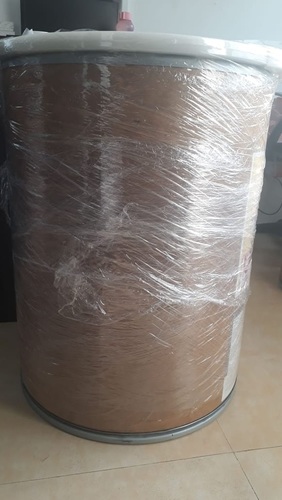
Cavitron and CAVASOL* hydroxypropyl-- and hydroxypropyl--cyclodextrins (HPBCD and HPGCD)
Application : Pharmaceutical, food, cosmetics, analytical reagent
Appearance : White to offwhite, amorphous powder
Size : Customized as per requirement
Shelf Life : 24 months
Density : 0.60 Gram per cubic centimeter(g/cm3)
Molecular Weight : 1380 (HPBCD), 1550 (HPGCD)

 Send Inquiry
Our Products


Kesarkunj, Rm No. 9, Vasanji Lalji Road, Kandivali (W), Mumbai - 400067, Maharashtra, India

Mr Nilesh Shah
(Director)
Mobile :08071630254
 Send Inquiry
 Send SMS
 Call Me Free
Developed and Managed by Infocom Network Private Limited.
