
Call us now :08071630254
 Send Inquiry
 Send Inquiry
Plasdone povidone C grades
Plasdone povidone C grades Specification
- Molecular Formula
- (C6H9NO)n
- Boiling point
- Not applicable (decomposes before boiling)
- Melting Point
- >300C (decomposes)
- Shelf Life
- 5 years
- Packaging Type
- Bags / Drums
- Storage Instructions
- Store in tightly closed container, in a cool, dry place
- Purity
- >99%
- Physical State
- Solid
- Size
- Customized
- CAS No
- 9003-39-8
- Density
- 1.20 Gram per cubic centimeter(g/cm3)
- Ph Level
- 3.0 7.0
- Molecular Weight
- Varies by grade (approx. 10,000700,000)
- Usage
- Film-forming agent, binder, stabilizer
- Grade
- C15, C17, C30, C90
- Type
- Povidone Polymer
- Application
- Pharmaceutical, cosmetic, industrial uses
- Appearance
- White to off-white powder
- Purity(%)
- >99.0
- Heavy Metals
- <10 ppm
- Odor
- Practically odorless
- Taste
- Tasteless
- Compatibility
- Compatible with most pharmaceutical excipients
- Particle Size
- Dependent on grade and requirement
- Stability
- Stable under recommended storage conditions
- Microbiological Standards
- Meets pharmacopeia requirements
- Solubility
- Freely soluble in water and most organic solvents
- Residue on Ignition
- Max. 0.1%
- K-value Range
- Varies by grade (K15, K17, K30, K90)
- Regulatory Information
- Conforms to USP/NF, Ph. Eur., JP standards
- Moisture Content
- Max. 5.0%
- Viscosity (5% solution, 25C)
- Range depends on grade; e.g., C30: 24-36 mPas
- Endotoxin Level
- <0.5 EU/mg
- Peroxide Content
- <400 ppm
Plasdone povidone C grades Trade Information
- Payment Terms
- Telegraphic Transfer (T/T), Cash in Advance (CID), Cash Advance (CA)
- Main Export Market(s)
- Western Europe, Australia, North America, Eastern Europe, Middle East, Central America, South America, Asia, Africa
About Plasdone povidone C grades
Plasdonea povidone
Chemistry: PVP polymers and VP derivatives
We offers a comprehensive range of Plasdone povidones (PVP). Plasdone povidones are a family of water-soluble polymers based on N-vinylpyrrolidone that combine a unique set of properties for application in a wide variety of dosage forms. Plasdone povidones are commonly used as binders for the development of tablet formulations, whether manufactured by wet granulation, dry granulation or direct compression. Plasdone K polymers are used in solid-dispersion formulations to enhance the solubility of active pharmaceutical ingredients and increase bioavailability.
Plasdonea povidone C grades are supplied with low pyrogen levels and can increase solubilization or inhibit crystallization in parenteral dosage forms.
The regulatory compliance information for all Ashland products varies by product family and grade. For specific data about the grade you are interested in, please refer to our Excipient Information Package, now called PRD, and the Certificate of Analysis.
Superior Solubility and Purity
PlasdoneTM povidone C grades stand out with their exceptional solubility in water and most organic solvents, ensuring ease of integration into diverse formulations. With a purity greater than 99%, minimal residue on ignition, and heavy metals content below 10 ppm, they effectively meet the rigorous safety and quality criteria required for sensitive pharmaceutical and cosmetic applications.
Wide Applicability Across Industries
These povidone polymers are favored for their multifunctional properties as binders, film-formers, and stabilizers in pharmaceutical tablets, topical products, and cosmetics. Their compatibility with most excipients allows formulators substantial flexibility, while customizable grade options address specific molecular weight or viscosity needs for tailored performance.
Trusted Regulatory Compliance and Safety
PlasdoneTM povidone C grades strictly conform to USP/NF, Ph. Eur., and JP standards. The products meet critical microbiological and endotoxin requirements, ensuring pharmaceutical-grade quality. Secure packaging options and a five-year shelf life help guarantee integrity during storage and transport, offering both reliability and peace of mind to professionals.
FAQ's of Plasdonea povidone C grades:
Q: How should PlasdoneTM povidone C grades be stored for optimal stability?
A: PlasdoneTM povidone C grades should be stored in tightly closed containers in a cool, dry location. This helps maintain their stability and effectiveness throughout their five-year shelf life.Q: What are the primary uses and benefits of PlasdoneTM povidone C grades in pharmaceuticals?
A: These povidone polymers are widely used as film-forming agents, binders, and stabilizers. Their excellent solubility, compatibility with excipients, and high purity make them ideal for creating robust formulations in tablets, topical applications, and other pharmaceutical forms.Q: When is PlasdoneTM povidone C selected over other excipients?
A: PlasdoneTM povidone C is selected when superior solubility, high purity, and compatibility with various excipients are required. Its stable profile and customizable properties make it a preferred choice in both pharmaceutical and cosmetic applications.Q: What quality and safety standards do PlasdoneTM povidone C grades meet?
A: PlasdoneTM povidone C grades conform to USP/NF, Ph. Eur., and JP standards. They also meet stringent microbiological and endotoxin limits, ensuring safety and suitability for pharmaceutical uses.Q: Where can PlasdoneTM povidone C grades be utilized besides pharmaceuticals?
A: In addition to pharmaceuticals, PlasdoneTM povidone C grades are used in cosmetic and industrial products, benefiting from their tasteless, odorless nature and functional versatility.Q: What process is recommended for incorporating PlasdoneTM povidone C into a formulation?
A: Due to their high solubility, PlasdoneTM povidone C grades can be dissolved directly in water or most organic solvents, making them easy to incorporate during wet granulation or other standard production processes.Q: What particle size options are available for PlasdoneTM povidone C grades?
A: Particle size for PlasdoneTM povidone C can be customized based on formulation requirements, offering flexibility to meet specific process or product needs.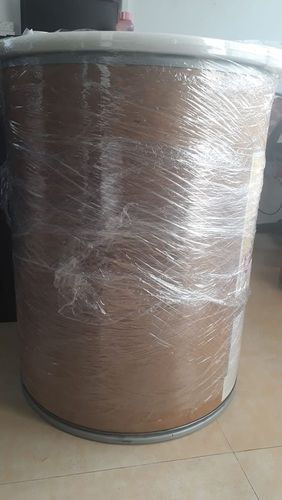
Tell us about your requirement

Price:
Quantity
Select Unit
- 50
- 100
- 200
- 250
- 500
- 1000+
Additional detail
Mobile number
Email

More Products in Parenteral Dosage Form Category
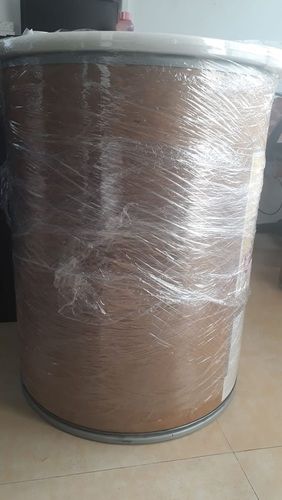
Pharmasolve N-methyl-2-pyrrolidone
Usage : Pharmaceutical excipient, solvent for APIs
Appearance : Clear, colorless liquid
Ph Level : Neutral
Molecular Weight : 99.13 g/mol
Density : 1.03 Gram per cubic centimeter(g/cm3)
Size : Customizable packaging sizes available
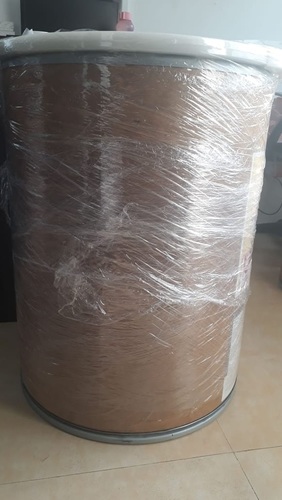
Aqualon Sodium Carboxymethylcellulose Chemistry: Cellulosics
Usage : Thickening agent, stabilizer, binder, rheology modifier
Appearance : White to cream colored powder
Ph Level : 6.5 8.5 (1% solution)
Molecular Weight : Varies by grade, typically 90,000 700,000 g/mol
Density : 1.2 Gram per cubic centimeter(g/cm3)
Size : Customizable as per requirement
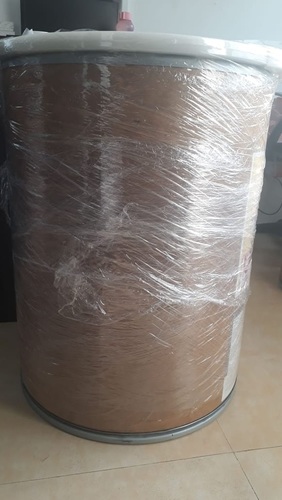
Cavitron and CAVASOL* hydroxypropyl-- and hydroxypropyl--cyclodextrins (HPBCD and HPGCD)
Usage : Solubilizing agent, excipient, stabilizer
Appearance : White to offwhite, amorphous powder
Ph Level : 5.0 8.0 (1% aqueous solution)
Molecular Weight : 1380 (HPBCD), 1550 (HPGCD)
Density : 0.60 Gram per cubic centimeter(g/cm3)
Size : Customized as per requirement

 Send Inquiry
Our Products


Kesarkunj, Rm No. 9, Vasanji Lalji Road, Kandivali (W), Mumbai - 400067, Maharashtra, India

Mr Nilesh Shah
(Director)
Mobile :08071630254
 Send Inquiry
 Send SMS
 Call Me Free
Developed and Managed by Infocom Network Private Limited.
