
Call us now :08071630254
 Send Inquiry
 Send Inquiry
benecel XR and XRF HPMC controlled release matrix formers
Price 100 INR/ Piece
MOQ : 1 Piece
benecel XR and XRF HPMC controlled release matrix formers Specification
- Molecular Formula
- C12H20O10
- Size
- Available in various particle sizes (fine to coarse)
- Usage
- Direct compression excipient and sustained release matrix
- Physical State
- Solid powder
- CAS No
- 9004-65-3
- Ph Level
- Neutral (6.5 - 8.0) in 2% aqueous solution
- Melting Point
- Non-melting, decomposes above 200°C
- Shelf Life
- At least 36 months under recommended storage conditions
- Storage Instructions
- Store in a cool, dry place, tightly sealed
- Density
- 0.80 Gram per cubic centimeter(g/cm3)
- Packaging Type
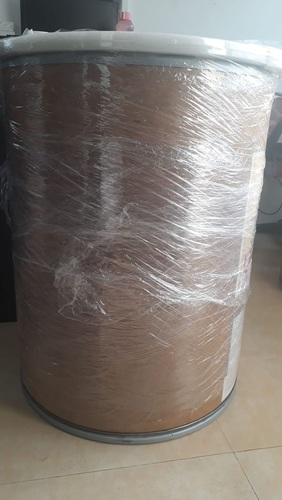
- HDPE drum, bag-in-box
- Molecular Weight
- Approximately 86,000 g/mol (varies by viscosity grade)
- Grade
- Pharmaceutical Grade
- Type
- Hydroxypropyl Methylcellulose (HPMC)
- Application
- Controlled release matrix former for oral solid dosage forms
- Appearance
- White to off-white powder
- Purity(%)
- >99%
- Microbial Limits
- Complies with pharmacopeial standards
- Viscosity (2% solution, 20C)
- 20,000 - 100,000 cps (depending on grade)
- Compatibility
- Compatible with a wide range of APIs
- Functionality
- Maintains consistent drug release profile over time
- Loss on Drying
- 5% (meets USP/NF limits)
- Residue on Ignition
- Complies with pharmacopeial specifications
- Solubility
- Soluble in cold water
- Identification
- Passes USP/NF identity tests
- Particle Size Distribution
- D90 < 150 m (typical)
- Heavy Metals
- <10 ppm
benecel XR and XRF HPMC controlled release matrix formers Trade Information
- Minimum Order Quantity
- 1 Piece
- Payment Terms
- Cash in Advance (CID), Cash Advance (CA)
- Supply Ability
- 3 Pieces Per Week
- Main Export Market(s)
- Western Europe, Eastern Europe, Central America, Middle East, South America, Asia, North America, Australia, Africa
About benecel XR and XRF HPMC controlled release matrix formers
benecel XR and XRF HPMC controlled release matrix formers
enhanced controlled release technology for improved strengthand flowability
description Benecel XR and XRF are HPMC products withoptimized polymer structure and particle morphology that enable the formulationof safe, effective, and robust oral solid controlled-release dose forms.
key features and benefits optimized polymer structure andparticle morphology: provides better powder flowability and improved tabletstrength better compactibility at high tableting speed: produces robusttablets under high-throughput during large-scale tableting operations consistent particle size distribution and bulk density: provides better powderflowability, better content uniformity, and lower tablet weight variability finer particle size grades (XRF): are designed for even higher tablet strengthand improved controlled-release profile available at four viscosity levels:K4M, K15M, K100M, and K200M providing a wide range of dissolution profiles
Superior Controlled Release Performance
Benecel XR and XRF provide precise control over drug release rates, supported by their reliable viscosity profiles and robust matrix-forming properties. This ensures patients receive medications at a consistent, controlled pace, contributing to improved therapeutic outcomes and patient compliance.
Pharmaceutical Compliance and Safety
These HPMC matrix formers meet USP/NF standards, including requirements for identity, purity, residue on ignition, and low heavy metal content. Each batch is produced under rigorous quality control, offering peace of mind for formulators prioritizing patient safety and regulatory compliance.
Versatile Application in Formulation Development
Benecel XR and XRF are compatible with a wide range of APIs and can be used in various processing methods such as direct compression. Their solubility profile and range of available particle sizes make them highly adaptable for custom formulation approaches in sustained-release oral dosage forms.
FAQs of benecel XR and XRF HPMC controlled release matrix formers:
Q: How are Benecel XR and XRF HPMC matrix formers typically used in pharmaceutical manufacturing?
A: Benecel XR and XRF are primarily used as controlled release matrix formers in oral solid dosage formulations. They can be directly compressed with active pharmaceutical ingredients and other excipients to manufacture tablets that deliver drugs over an extended period.Q: What are the key benefits of choosing Benecel XR and XRF for sustained release applications?
A: These HPMC polymers ensure a consistent drug release profile, high purity, and compatibility with many APIs. They also comply with major pharmacopeial standards, contributing to both product quality and regulatory approval ease.Q: When should different viscosity grades of Benecel XR and XRF be selected?
A: The choice of viscosity grade (20,000100,000 cps) depends on the desired drug release rate and matrix integrity. Higher viscosity grades typically provide slower drug release, allowing formulators to tailor release kinetics to specific therapeutic needs.Q: Where should Benecel XR and XRF be stored to ensure optimal stability?
A: Both products should be stored in a cool, dry environment with tightly sealed packaging, such as HDPE drums or bag-in-box containers. Proper storage preserves product quality and extends shelf life to at least 36 months.Q: What is the typical process for incorporating Benecel XR and XRF into formulations?
A: These excipients are generally blended with APIs and other ingredients and used in direct compression to form tablets. Their uniform particle size and high solubility in cold water support efficient processing and even matrix formation.Q: How does the compatibility of Benecel XR and XRF enhance formulation flexibility?
A: Benecel XR and XRF exhibit excellent compatibility with a wide range of active pharmaceutical ingredients, allowing formulators to develop various oral sustained release products without encountering excipient-drug interaction issues.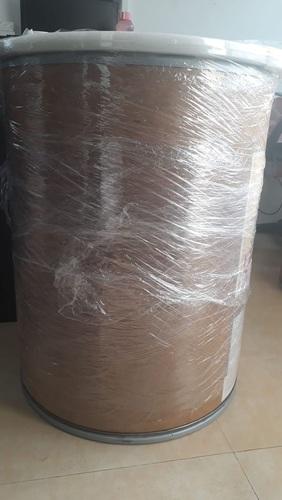
Tell us about your requirement

Price:
Quantity
Select Unit
- 50
- 100
- 200
- 250
- 500
- 1000+
Additional detail
Mobile number
Email

More Products in Oral Solid Dosage Form Category
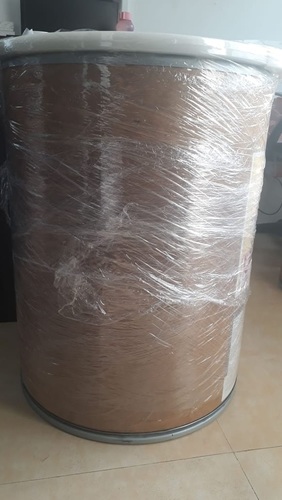
AquaSolve Hypromellose Acetate Succinate (HPMCAS)
Price 100 INR / Piece
Minimum Order Quantity : 1 Piece
Shelf Life : 2 years when properly stored
Purity : High purity
Purity(%) : 99%
Grade : Pharmaceutical Grade
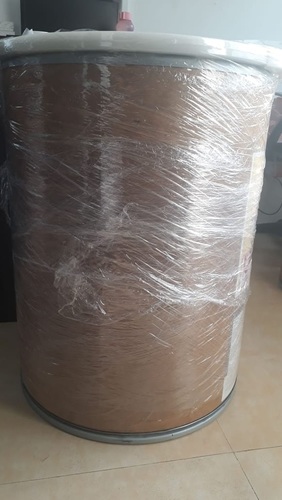
Aquarius Genesis Film Coating Systems
Price 100 INR / Piece
Minimum Order Quantity : 1 Piece
Shelf Life : 2 Years
Purity : 99%
Purity(%) : 99%
Grade : Pharmaceutical Grade
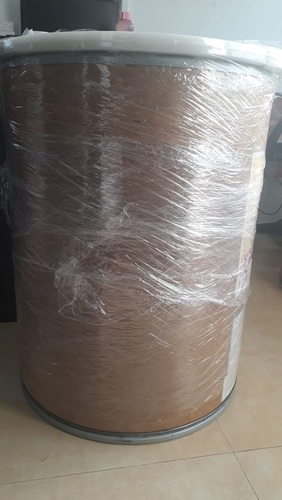
Klucel Hydroxypropylcellulose
Price 100 INR / Piece
Minimum Order Quantity : 1 Piece
Shelf Life : 24 Months
Purity : 99%
Purity(%) : 99%
Grade : Pharmaceutical Grade
Polyplasdone Crospovidone
Price 100 INR
Minimum Order Quantity : 1 Piece
Shelf Life : 5 years
Purity : >99%
Purity(%) : >99%
Grade : Pharma Grade

 Send Inquiry
Our Products


Kesarkunj, Rm No. 9, Vasanji Lalji Road, Kandivali (W), Mumbai - 400067, Maharashtra, India

Mr Nilesh Shah
(Director)
Mobile :08071630254
 Send Inquiry
 Send SMS
Developed and Managed by Infocom Network Private Limited.
