
Call us now :08071630254
 Send Inquiry
 Send Inquiry
Chlorophyll in Water - WS
MOQ : 1 Kilograms
Chlorophyll in Water - WS Specification
- Melting Point
- ~ 152.3 °C (306.1 °F; 425.4 K)
- Usage
- People use chlorophyll as medicine. Common sources of chlorophyll used for medicine include alfalfa, algae, and silkworm droppings. Chlorophyll is used for bad breath and reducing colostomy odor. Chlorophyll is also used for constipation, "detoxification," and wound healing.
- Purity
- 98%
- Molecular Formula
- C55H72O5N4Mg
- Molecular Weight
- 893.51 Grams (g)
Chlorophyll in Water - WS Trade Information
- Minimum Order Quantity
- 1 Kilograms
- Payment Terms
- Cash in Advance (CID), Cash Advance (CA)
- Supply Ability
- 500 Kilograms Per Month
- Delivery Time
- 3-4 Week
- Sample Available
- Yes
- Sample Policy
- Sample costs shipping and taxes has to be paid by the buyer
- Main Export Market(s)
- Western Europe, Australia, South America, Middle East, Central America, Africa, Asia, Eastern Europe, North America
- Main Domestic Market
- All India
About Chlorophyll in Water - WS
Chlorophyll in Water - WS is a highly purified form of chlorophyll with a purity of 98%, designed for diverse medicinal uses. Derived from sources like alfalfa, algae, and silkworm droppings, it is well-regarded for its ability to combat bad breath, reduce colostomy odor, aid in detoxification, relieve constipation, and promote wound healing. Boasting a molecular formula of C55H72O5N4Mg and a molecular weight of 893.51 grams, this quality product is suitable for healthcare applications. With a melting point of approximately 152.3 C (306.1 F), Chlorophyll in Water - WS is a reliable and efficient option for those seeking natural remedies. As a supplier and trader, the product meets stringent standards, ensuring its suitability for consumer and professional use. ---
FAQs of Chlorophyll in Water - WS:
Q: What is the purity level of Chlorophyll in Water - WS?
A: Chlorophyll in Water - WS has a high purity level of 98%, ensuring its effectiveness and reliability.Q: What are the main uses of Chlorophyll in Water - WS?
A: It is used for bad breath control, reducing colostomy odor, detoxification, treating constipation, and promoting wound healing.Q: What is the molecular formula of this product?
A: The molecular formula is C55H72O5N4Mg.Q: What is the melting point of Chlorophyll in Water - WS?
A: Its melting point is approximately 152.3 C (306.1 F; 425.4 K).Q: What type of business is involved in providing this product?
A: The product is supplied and traded for various medical and professional applications.
Tell us about your requirement

Price:
Quantity
Select Unit
- 50
- 100
- 200
- 250
- 500
- 1000+
Additional detail
Mobile number
Email

More Products in Analytical Grade Chemicals Category
Water saturated 1-octanol
Molecular Weight : 130.23 g/mol
Molecular Formula : C8H18O
Melting Point : 15 C
Usage : Laboratory studies pharmaceutical applications and chemical manufacturing
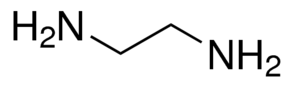
Ethylenediamine
Price 100 INR
Minimum Order Quantity : 1 Kilograms
Molecular Weight : 60.1 Grams (g)
Molecular Formula : C2H8N2
Melting Point : 47°F.
Usage : Ethylenediamine is used as a very important bidentate ligand forming chelate agents. The main application is to produce chelating agents such as ethylenediaminetetraacetic acid (EDTA). It is used in the manufacture of carbamate fungicides, surfactant and dyes.
![[10]- Gingerol](https://cpimg.tistatic.com/03382463/b/4/-10-Gingerol.png)
[10]- Gingerol
Price 100 INR
Minimum Order Quantity : 1 Kilograms
Molecular Weight : 294.38 Grams (g)
Molecular Formula : C17H26O4
Melting Point : 30 to 32 C (86 to 90 F; 303 to 305 K)
Usage : Since antiquity, ginger or Zingiber officinale, has been used by humans for medicinal purposes and as spice condiments to enhance flavor in cooking. Ginger contains many phenolic compounds such as gingerol, shogaol and paradol that exhibit antioxidant, antitumor and antiinflammatory properties
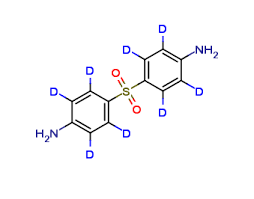
Dapsone-13C12
Price 100 INR
Minimum Order Quantity : 1 Kilograms
Molecular Weight : 248.302 Grams (g)
Molecular Formula : C12H12N2O2S
Melting Point : 175 to 176 °C (347 to 349 °F)
Usage : As an antibiotic, dapsone is commonly used to treat mycobacterium leprae, the causative organism of leprosy. Also, it is used to prophylax against Pneumocystis pneumonia and toxoplasmosis in HIV patients as well as an adjuvant treatment for malaria.

 Send Inquiry
Our Products


Kesarkunj, Rm No. 9, Vasanji Lalji Road, Kandivali (W), Mumbai - 400067, Maharashtra, India

Mr Nilesh Shah
(Director)
Mobile :08071630254
 Send Inquiry
 Send SMS
Developed and Managed by Infocom Network Private Limited.
